Introduction
For many property investors, owning a rental property is meant to be a relatively straightforward path to long-term wealth.
You purchase the asset, secure a tenant, collect rent — and over time, the property performs.
But the reality is often very different.
Managing an investment property involves a wide range of responsibilities that extend far beyond simply collecting rent. Legal obligations, tenant relationships, maintenance decisions, and changing market conditions all play a role in determining whether a property performs well — or becomes a source of stress and financial leakage.
This is where many landlords get caught out.
What appears simple on the surface is, in practice, a structured process that requires systems, consistency, and informed decision-making.
The more important question is: are you managing your property — or reacting to it?
Property Management Is Not Just Administration
One of the most common misconceptions landlords have is that property management is primarily administrative.
Collect rent. Organise repairs. Respond to tenant queries.
On paper, that seems reasonable.
But the reality is that these tasks represent only a small part of what actually drives the performance of an investment property.
The real issue isn’t just managing tasks — it’s managing outcomes.
Rental income stability, tenant quality, property condition, and vacancy periods are all interconnected. If one area is poorly managed, it can have a direct impact on the others.
For example, securing the wrong tenant doesn’t just create inconvenience — it increases the likelihood of arrears, disputes, and property damage. Delayed maintenance doesn’t just affect presentation — it can reduce long-term asset value.
This is where many landlords get stuck.
They focus on the visible tasks, but overlook the underlying systems required to manage the property as a performing asset.
A well-managed property isn’t reactive. It follows a structured approach designed to protect income and minimise risk over time.
The Hidden Complexity of Being a Landlord
Many investors enter the rental market expecting a relatively passive income stream.
However, the role of a landlord comes with a set of legal and operational responsibilities that can quickly become complex.
In New South Wales, landlords must comply with tenancy legislation, ensure the property remains safe and habitable, respond to maintenance within appropriate timeframes, and follow strict processes around tenant communication and documentation.
This is where many landlords get caught out.
Not because they are negligent — but because the expectations are often underestimated.
The more important question is not whether you can manage these responsibilities, but whether they are being managed consistently and correctly.
Small oversights can lead to larger issues:
• Delayed repairs can escalate into costly damage
• Poor documentation can lead to disputes
• Mismanaging tenant expectations can create unnecessary friction
What most investors don’t realise is that many tenancy issues arise not from major failures — but from gaps in process and communication.
Clarity, structure, and consistency are what reduce these risks.
Tenant Selection: The Decision That Drives Everything
If there is one decision that has the greatest impact on your investment property, it is tenant selection.
Yet this is often where landlords rush the process.
When a property becomes vacant, the natural instinct is to secure a tenant as quickly as possible. Every week without rent feels like lost income.
But speed without structure creates risk.
A poorly selected tenant can lead to:
• Rental arrears
• Property damage
• Ongoing disputes
• Increased vacancy in the long term
This is where many landlords get stuck.
They prioritise short-term occupancy over long-term stability.
The more important question is: are you selecting a tenant — or selecting a tenancy outcome?
A structured screening process looks beyond surface-level indicators. It assesses financial capacity, rental history, behavioural patterns, and overall suitability for the property.
Because the right tenant doesn’t just pay rent.
They maintain the property, communicate effectively, and contribute to a stable, long-term tenancy.
And that stability is what protects your income.
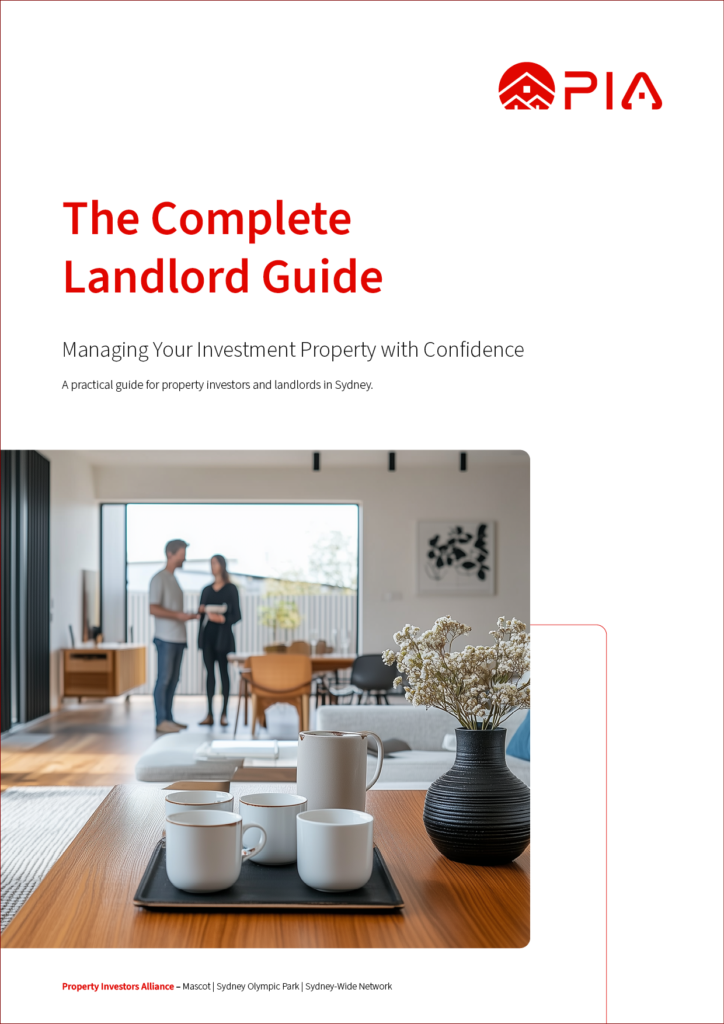
For a more structured breakdown, refer to our Complete Landlord Guide below
Why Reactive Management Leads to Poor Outcomes
Many investment properties are managed reactively.
A problem arises — and then it’s dealt with.
A maintenance issue is reported — then action is taken.
Rent falls behind — then it’s followed up.
On the surface, this may seem like a practical approach.
But over time, reactive management creates inconsistency.
And inconsistency leads to risk.
The real issue isn’t the individual problems — it’s the absence of a system to prevent them.
Proactive property management focuses on:
• Regular inspections to identify issues early
• Preventative maintenance to reduce long-term costs
• Ongoing rent reviews to maintain market alignment
• Structured communication to avoid misunderstandings
This is where the mindset shift happens.
Instead of asking, “How do I deal with issues as they arise?”
The better question becomes:
“How do I reduce the likelihood of those issues occurring in the first place?”
Because the most effective property management isn’t about solving problems.
It’s about minimising them.
The Difference Between Owning Property and Managing an Asset
Many landlords see their investment property as something they own.
Fewer see it as something that needs to be actively managed as a financial asset.
And this distinction is critical.
An investment property is not just a physical structure — it is a performance-driven asset influenced by:
• Tenant quality
• Property condition
• Rental market positioning
When these elements are managed well, the property delivers:
• Stable income
• Lower vacancy
• Fewer surprises
• Stronger long-term performance
When they are not, the opposite occurs.
This is where many investors get stuck.
They focus on ownership — but not on optimisation.
The more important question is:
“Is my property being managed for convenience — or for performance?”
Because long-term results are not driven by isolated decisions.
They are driven by structured systems applied consistently over time.
Conclusion
Managing an investment property is rarely as simple as it first appears.
What begins as a relatively straightforward investment can quickly become complex without the right structure in place.
From legal responsibilities and tenant selection to maintenance and market positioning, each part of the process plays a role in determining how well your property performs.
This is where many landlords get caught out.
Not because they lack intent — but because they lack a clear framework.
The reality is that successful property investment is not about reacting to issues as they arise. It is about creating systems that reduce risk, stabilise income, and support long-term performance.
Because in the end, the goal is not just to own property.
It is to manage it with confidence.
Manage Your Investment Property with Confidence
Managing an investment property involves legal, financial, and operational responsibilities.
This guide provides a clear, structured overview of how professional property management works — and how the right systems help protect your property and support long-term performance.
Inside the guide, you’ll learn:
• Understand how professional property management really works
• Learn how to protect your property and minimise risk
• Gain clarity on your responsibilities as a landlord
• See how structured systems improve long-term outcomes